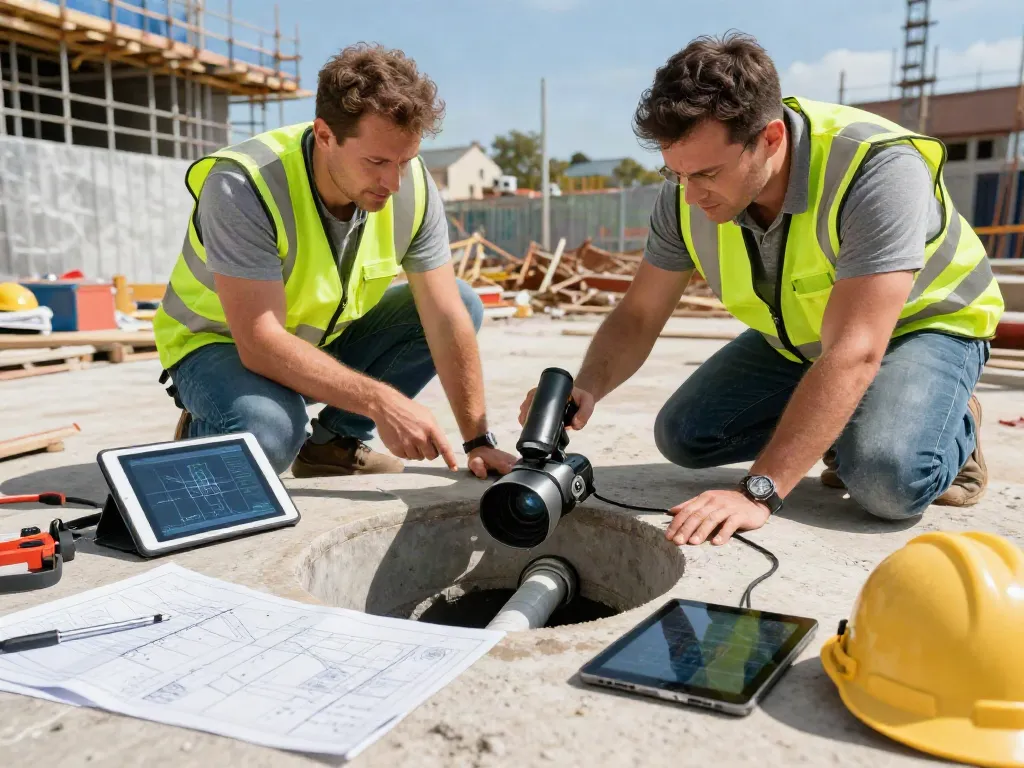
Understanding Drainage Surveys for Build Over Agreements
A drainage survey is an essential procedure for anyone contemplating construction work, particularly when the project involves a build over agreement with existing drainage systems. This survey serves as a detailed examination of the underground drainage infrastructure, ensuring that any construction does not negatively impact or compromise existing sewer lines. Whether you are a homeowner, an architect, or a developer, understanding the nuances of drainage surveys is crucial. When exploring options, Drainage Survey for Build Over Agreement provides comprehensive insights into the structural integrity and layout of drainage systems.
What is a Drainage Survey?
A drainage survey is the process of inspecting the condition and layout of underground drainage systems using various technologies, primarily CCTV (Closed Circuit Television). This method allows professionals to visually assess the interior of drainage pipes without the need for invasive digging or excavation, making it an efficient and cost-effective solution for identifying potential issues. The survey provides valuable data on the craftsmanship of the pipes, identifying potential blockages, leaks, or structural failures that could pose risks to nearby constructions.
Importance of Build Over Agreements
Build over agreements are crucial legal documents that grant property owners permission to construct buildings or extensions over or within close proximity to existing public sewer systems. The importance of these agreements stems from their role in preventing future disputes or damages resulting from construction activities. If a property owner wishes to build within three metres of a public sewer, a drainage survey is typically required to ensure that the proposed work will not obstruct or damage the sewer system, which could lead to severe complications and costly repairs in the future.
Key Components of a Drainage Survey
Understanding the key components of a drainage survey is vital for ensuring comprehensive evaluation results. Main components include:
- Visual Inspection: The first step involves a comprehensive look at the drainage systems to identify visible issues.
- CCTV Analysis: High-resolution cameras are used to capture footage of the interior conditions of the pipes.
- Reporting: A thorough report detailing findings, including any identified problems and suggested solutions.
- CAD Drawings: These provide accurate representations of the drainage layout and condition, essential for architects and engineers.
Types of Surveys Available
CCTV Drainage Surveys Explained
CCTV drainage surveys are at the forefront of modern drainage analysis. Using advanced camera technology, surveyors can investigate the inner workings of pipes, capturing live footage that reveals blockages, cracks, and other defects. This non-invasive approach not only saves time but also reduces the likelihood of costly excavation work. The data collected from these surveys can be compiled into detailed reports that inform future decisions, whether for maintenance or construction.
Using Ground Penetrating Radar (GPR)
Ground Penetrating Radar (GPR) surveys are another excellent method for assessing underground conditions. This technique uses electromagnetic waves to detect underground utilities and structures, making it an invaluable tool for locating sewer lines and other buried infrastructures. GPR is particularly useful when previous drainage maps are not available or when there are doubts about the current layout of the drainage systems.
Choosing the Right Survey for Your Project
When selecting the appropriate survey type, consider the specific needs of your project. Factors such as site accessibility, existing documentation, and the potential for underground utilities will influence the choice. For projects involving build over agreements, a combination of CCTV and GPR surveys might be the most prudent approach, ensuring comprehensive coverage of both drainage condition and spatial arrangement.
Steps to Obtain a Build Over Agreement
Initial Planning and Permissions
The initial phase of obtaining a build over agreement requires thorough planning and an understanding of local regulations. Property owners must ascertain the likelihood of encountering existing drainage during construction and prepare to liaise with local councils and utility companies to secure the necessary permissions.
Performing Necessary Drainage Surveys
Once planning is underway, the next step is conducting necessary drainage surveys, such as CCTV inspections and GPR scans. These surveys provide crucial insights that inform the build over agreement process by identifying potential risks related to the existing drainage infrastructure.
Submitting Your Findings to Authorities
After completing the surveys, the findings must be compiled into formal reports and submitted to the relevant authorities. These reports typically include detailed descriptions of the drainage conditions, CAD drawings, and recommendations for addressing any issues before construction begins. Ensuring that all documentation is precise and compliant with local regulations is critical for obtaining the necessary agreement smoothly.
Best Practices for Conducting Drainage Surveys
Essential Equipment and Technology
Utilising the right equipment is vital for effective drainage surveys. This includes high-quality CCTV cameras, GPR machines, and software for analysing survey data. The integration of advanced technologies enhances the reliability and accuracy of survey results, providing clients with the best insights into their drainage systems.
Interpreting Survey Results Accurately
Accurate interpretation of drainage survey results is crucial for effective decision-making. This involves understanding the implications of various findings, such as identifying whether a blockage is a minor issue or indicative of a more significant problem. Surveyors must possess the expertise to translate technical data into actionable recommendations for clients.
Communicating Findings Effectively
Clear communication of findings is essential for ensuring that clients understand their drainage systems' condition. This includes utilizing layman's terms in reports, presenting findings using visual aids like CAD drawings, and explaining potential consequences for drainage issues discovered during surveys.
Future Trends in Drainage Surveys
Innovations in Survey Technology
The drainage surveying industry is continuously evolving, with innovations enhancing accuracy and efficiency. New technologies, such as artificial intelligence for data analysis and improved GPR techniques, are paving the way for more sophisticated surveying methods that promise more detailed insights into drainage health.
Increasing Demand for Non-Invasive Methods
As urban construction continues to expand, the demand for non-invasive methods of surveying drainage systems is increasing. Property developers and owners are seeking ways to assess their infrastructure without the need for disruptive excavation, making continuous advances in CCTV and GPR technology more pertinent.
Impact of Climate Change on Drainage Management
Climate change poses new challenges for drainage systems, including increased flooding and changes in water flow patterns. Consequently, the need for regular drainage surveys and infrastructure assessments will grow as stakeholders aim to adapt to an evolving environmental landscape.
What is the typical cost of a drainage survey?
The cost of a drainage survey can vary based on several factors, including location, the complexity of the drainage system, and the type of survey conducted. Generally, a thorough CCTV drainage survey typically costs between £300 to £1,500, depending on site specifics.
Is a CCTV survey required for a build over agreement?
While not universally mandated, a CCTV survey is often required when applying for a build over agreement, especially if there is potential overlap with an existing sewer. Local authorities may request this survey to ensure compliance with regulations and to assess the risk of damage to the drainage system during construction.
What does a drainage survey involve?
A drainage survey involves the inspection and analysis of underground drainage systems through visual inspection, CCTV imagery, and GPR technology. The end goal is to assess the condition, identify potential blockages or structural issues, and provide recommendations for maintenance or repair.
How can I prepare for a drainage survey?
Preparation for a drainage survey involves ensuring site access for the surveying team, gathering any prior drainage records for reference, and informing relevant stakeholders of the survey schedule. Property owners should also discuss any observable drainage issues with surveyors before the assessment.
Can I build over a public sewer?
Building over a public sewer is possible with a valid build over agreement in place. This agreement will usually require comprehensive drainage surveys to ascertain that the construction will not negatively impact the sewer's functionality or integrity.