Understanding the Basics of Engineered Wood Flooring
Choosing the right flooring for your home is a significant decision that can enhance your living space while potentially increasing its value. Among the many options available, engineered wood flooring has gained popularity due to its unique combination of aesthetics and durability. This article will delve into everything about engineered wood flooring, helping you make an informed choice that suits your lifestyle and home design preferences.
What is Engineered Wood Flooring?
Engineered wood flooring is a versatile flooring option constructed from a top layer of real hardwood, which is bonded to multiple layers of high-quality plywood or HDF (high-density fiberboard). This layered construction provides exceptional stability, making it less prone to warping and expanding compared to solid wood. Moreover, engineered wood can often be installed over various types of subfloors, and it can be used in areas where solid wood may not be suitable, such as basements or over concrete.
Core Features and Benefits of Engineered Wood
- Authentic Appearance: The top layer of genuine hardwood ensures that engineered wood provides the same luxurious aesthetic as solid wood flooring.
- Durability: Thanks to its construction, engineered wood is resistant to moisture and temperature changes, making it ideal for homes in the UK with varying climates.
- Easy Installation: Many engineered wood products come with click-lock designs that allow for faster and easier installation without the need for glue or nails.
- Eco-Friendly Options: Engineered wood often uses less hardwood than solid wood flooring, making it a more sustainable choice.
Differences Between Laminate and Engineered Wood
While laminate and engineered wood may seem similar at first glance, they are fundamentally different in both composition and performance. Laminate flooring is composed primarily of synthetic materials, featuring a printed wood effect layer over a core made from composite materials. This results in a more budget-friendly product, but at the expense of authenticity and resale value.
In contrast, engineered wood combines the beauty of hardwood with superior functionality. The real wood veneer on top of engineered wood ensures a warmth and richness that laminate simply cannot replicate. Furthermore, while laminate is typically more scratch-resistant, engineered wood is much more easily repaired and refinished, allowing it to maintain its appearance over time.
Choosing the Right Flooring for Your Home
Assessing Your Lifestyle and Preferences
When deciding between laminate and engineered wood flooring, consider your lifestyle. For busy families or pet owners, laminate may offer the durability and ease of maintenance needed to withstand heavy foot traffic and scratches. Alternatively, if your home exudes style and luxury, engineered wood may be the right choice, providing an authentic hardwood look that enhances your home decor.
Budget Considerations: Engineered vs Laminate
Your budget will play a crucial role in this decision. Laminate flooring is generally more affordable than engineered wood. If you are working within a tighter budget, laminate may be a more suitable choice. However, consider the long-term benefits of investing in engineered wood, which can provide a greater return on investment should you decide to sell your home in the future.
Long-Term Value: Investment Analysis
From a resale value perspective, engineered wood flooring can be seen as a wise investment. Its ability to be refinished gives it a longer lifespan, enhancing its appeal to future homebuyers. Laminate, while cost-effective in the short term, may not offer the same level of return on investment.
Installation and Maintenance of Engineered Wood Flooring
Step-by-Step Installation Guide
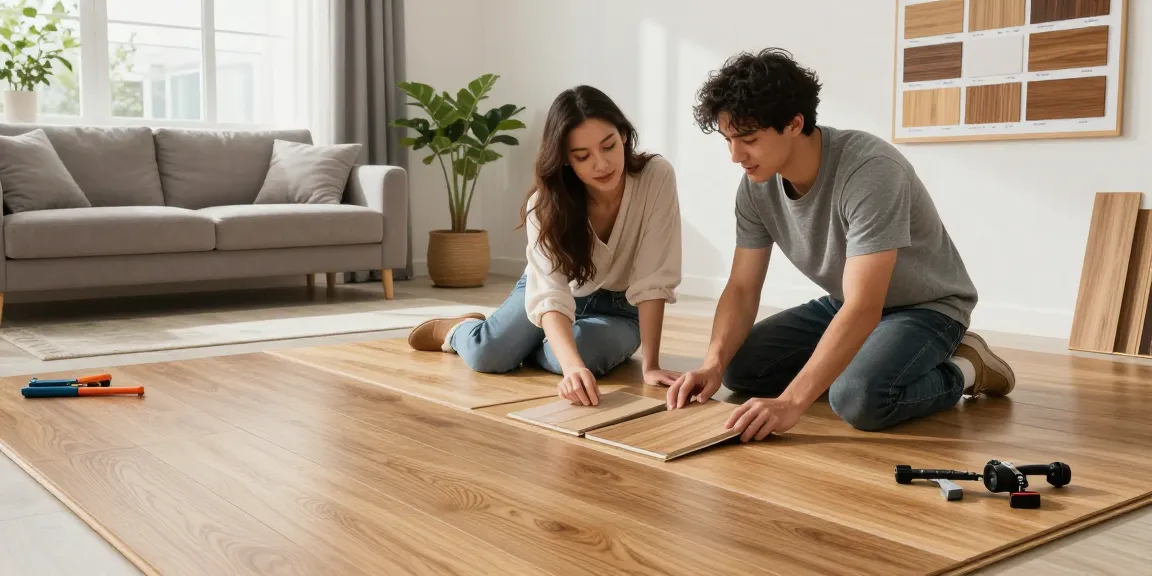
Installing engineered wood flooring can be a rewarding DIY project. Here’s a basic guide to get you started:
- Prepare the Area: Ensure that the subfloor is clean, dry, and level. Remove any existing flooring if necessary.
- Acclimate the Flooring: Allow the engineered wood planks to acclimate in the room where they will be installed for at least 48 hours.
- Install the Underlayment: Lay down an underlayment to provide cushioning, sound absorption, and moisture protection.
- Lay the Planks: Start laying the planks from one corner of the room, using a click-lock installation method if applicable. Ensure there is a small expansion gap around the edges.
- Finish the Installation: Install trim and baseboards, securing the flooring in place and ensuring a polished finish.
Maintenance Tips for Longevity
To maintain the beauty and durability of your engineered wood flooring:
- Cleansing: Sweep or vacuum regularly to remove dust and debris. Use a damp mop with a gentle cleaner designed for wood flooring.
- Humidity Control: Keep indoor humidity levels between 30-50% to prevent warping or shrinkage.
- Protective Measures: Use rugs or mats in high-traffic areas and place felt pads under furniture to avoid scratches.
Common Installation Mistakes to Avoid
To ensure a successful installation:
- Avoid ignoring subfloor preparation, as uneven surfaces can lead to issues in the future.
- Do not neglect to leave expansion gaps, as improper spacing can cause warping.
- Ensure proper acclimation—installing wood too soon can lead to changes in shape and size.
Design Trends for Engineered Wood Flooring in 2026
Current and Emerging Styles
As we look ahead to 2026, several trends in engineered wood flooring are emerging. Wide planks are becoming increasingly popular, offering a more contemporary look that suits modern homes. Additionally, eco-friendly finishes and reclaimed wood aesthetics are gaining traction, reflecting a growing desire for sustainable living.
Color Palettes and Finishes to Consider
Neutral tones remain a staple, but deeper shades like dark walnut and grey hues are also making a statement. Matte finishes that enhance the natural grain of the wood are increasingly favored, providing a more organic look.
Integrating with Existing Home Decor
Engineered wood flooring can seamlessly integrate into various interior styles. Whether your home features mid-century modern furnishings or a rustic farmhouse vibe, the versatility of engineered wood means you can find a style that harmonizes beautifully with your existing decor.
Frequently Asked Questions about Engineered Wood Flooring
Is engineered wood better than laminate?
While both engineered wood and laminate have their own benefits, engineered wood provides a more authentic look and feel thanks to its real hardwood surface. Additionally, it is generally more durable and can be refinished, making it a more long-lasting option.
Can engineered wood be used in kitchens?
Yes, engineered wood can be used in kitchens, but it is essential to ensure it is properly sealed. Regular maintenance is crucial to prevent water damage in moisture-prone areas.
How does engineered wood compare in durability?
Engineered wood is designed to withstand fluctuations in humidity and temperature, making it a durable choice. It is generally more resistant to warping compared to solid wood, though less scratch-resistant than laminate.
What is the lifespan of engineered wood flooring?
With proper care, engineered wood flooring can last between 20 to 30 years, depending on the quality of the product and the level of maintenance.
How to choose the right finish for engineered wood?
Choosing the right finish for engineered wood involves considering your lifestyle, desired aesthetic, and how much maintenance you are willing to undertake. Matte finishes are easier to maintain but may not hide scratches as well as semi-gloss finishes.