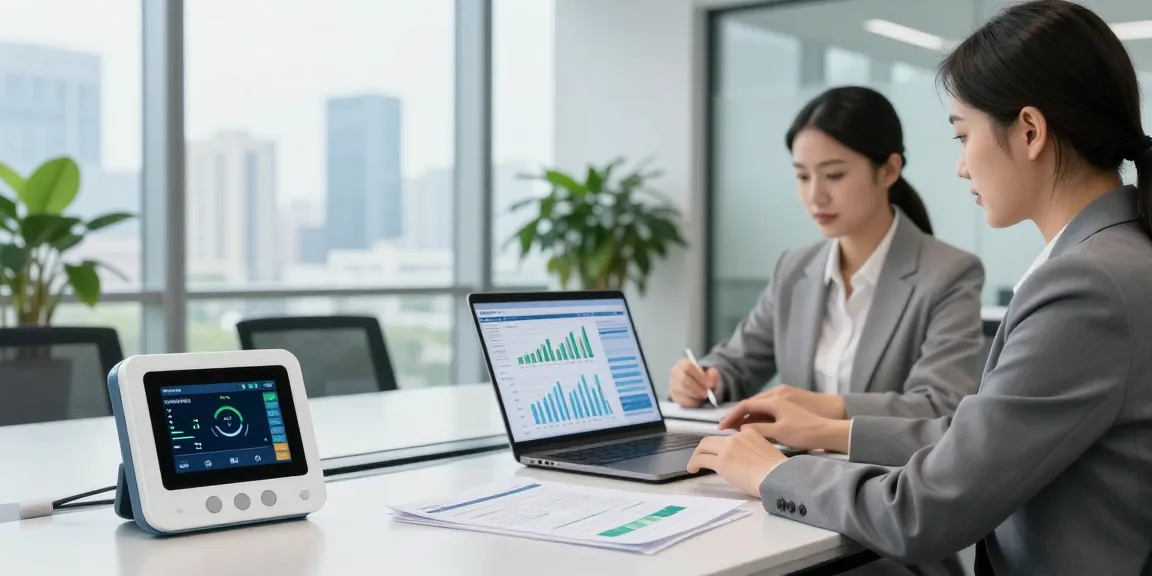
Understanding Half Hourly Meters
In today’s rapidly evolving energy landscape, half hourly meters are becoming increasingly essential for businesses aiming to optimize their energy usage. These specialized meters provide detailed data by recording electricity consumption in half-hour intervals, allowing businesses to gain insights that can lead to significant cost savings. When exploring options, half hourly meters can greatly enhance your business’s energy management strategy.
What Are Half Hourly Meters?
Half hourly meters, often referred to as HH meters, are advanced energy metering devices used predominantly in commercial and industrial settings. Unlike traditional meters that measure usage monthly or quarterly, HH meters provide real-time data on electricity consumption every 30 minutes. This granularity allows businesses to understand their energy usage patterns, making it easier to adjust operations and reduce costs.
Benefits of Using Half Hourly Meters in 2026
The advantages of implementing half hourly meters in 2026 are manifold. Firstly, real-time monitoring enables businesses to manage their energy consumption proactively. By identifying peak usage times, companies can implement strategies to reduce energy use during these periods, potentially lowering costs. Additionally, half hourly meters facilitate compliance with regulatory requirements regarding energy reporting.
- Cost Savings: Understanding usage patterns enables targeted reductions in energy consumption.
- Improved Operational Efficiency: Data-driven decisions based on detailed usage insights can enhance overall business efficiency.
- Regulatory Compliance: Many businesses face regulatory requirements regarding energy consumption reporting; HH meters help meet these obligations.
Key Features of Half Hourly Meters
Half hourly meters come equipped with various features that enhance their functionality:
- Data Logging: HH meters log consumption data in real-time, offering detailed insights into energy use.
- Remote Monitoring: Many HH meters allow for remote access to data via online platforms, aiding in easier management.
- Integration Capabilities: These meters can often integrate with existing building management systems for streamlined operations.
Steps to Set Up Half Hourly Meters
Setting up half hourly meters involves several critical steps to ensure they are installed and functioning correctly. Here’s a comprehensive guide:
Pre-Installation Considerations
Before installation, businesses need to assess their energy needs and infrastructure:
- Assess Energy Consumption: Analyze existing energy usage and determine if a HH meter is suitable based on demand.
- Choose the Right Meter: Various HH meters provide different functionalities; selecting the right type is crucial.
- Check Supplier Agreements: Verify that your energy supplier supports HH metering and is willing to install the meter.
Installation Process for Half Hourly Meters
The installation process typically involves the following steps:
- Schedule Installation: Coordinate with your energy supplier for a suitable installation time.
- Site Preparation: Ensure the installation site is accessible and compliant with safety regulations.
- Meter Installation: Technicians will install the HH meter and connect it to the electrical supply.
- Initial Testing: Conduct initial tests to verify that the meter is operational and accurately recording data.
Post-Installation Testing and Verification
Once the meter is installed, comprehensive testing is essential:
- Data Accuracy Checks: Verify the accuracy of the metered data against known quantities to ensure reliability.
- System Integration Tests: If the meter integrates with other systems, ensure seamless data flow.
- User Training: Train staff on how to access and interpret data from the HH meter.
Optimizing Energy Usage with Half Hourly Meters
To maximize the benefits of half hourly meters, businesses must actively use the collected data to inform their operational decisions.
Analyzing Consumption Data
Understanding consumption patterns is crucial for effective energy management. Businesses should analyze data to identify trends, peak usage periods, and potential areas for improvement. Utilizing energy management software can simplify this process and highlight actionable insights.
Adjusting Operations Based on Data Insights
Once data is analyzed, businesses can adjust operations accordingly. For example, if certain machinery consumes large amounts of energy during peak times, shifting their usage to off-peak hours could lead to significant cost savings. Implementing energy-efficient practices based on data insights can further reduce overall expenses.
Integrating Smart Technologies for Enhanced Efficiency
Adopting smart technologies—such as automated lighting systems and energy-efficient HVAC systems—can further enhance energy efficiency. These technologies often work in conjunction with half hourly meters, providing real-time data that helps optimize energy consumption without compromising operational efficiency.
Common Challenges When Using Half Hourly Meters
While half hourly meters offer numerous benefits, businesses may encounter challenges during their implementation and use.
Understanding Technical Issues
Technical difficulties may arise during installation or operation. Common issues include connectivity problems or data transmission delays. Ongoing support from the energy supplier can help mitigate these issues.
Addressing Miscommunication with Suppliers
Communication breakdowns between businesses and energy suppliers can lead to misunderstandings regarding meter performance or billing issues. Establishing clear lines of communication and expectations can help resolve disputes quickly.
Overcoming Data Interpretation Obstacles
Interpreting the vast amount of data produced by half hourly meters can be overwhelming. Businesses may benefit from training staff or hiring consultants to assist with data analysis and application.
Future Trends and Innovations in Energy Metering
The energy metering landscape is evolving rapidly, with advancements aimed at improving efficiency and user experience.
Advancements in Smart Metering Technology for 2026
Future smart metering technologies are expected to deliver even greater granularity and real-time analytics. Integration with IoT devices will allow for automated adjustments in response to changing energy demands, enhancing efficiency further.
The Role of Regulations and Standards
As governments place increasing importance on energy efficiency and sustainability, regulations surrounding energy metering will likely become stricter. Businesses should stay informed about these changes to ensure compliance and optimize their operations accordingly.
Adapting to Changing Energy Markets
With fluctuating energy prices, businesses need to remain adaptable. Harnessing the capabilities of half hourly meters to pivot operations during price spikes can mitigate costs.
What Are the Advantages of Half Hourly Meters?
Incorporating half hourly meters provides several advantages, including:
- Detailed insight into energy consumption
- Ability to make informed decisions based on real-time data
- Increased transparency and accountability in energy usage
How Do Half Hourly Meters Impact Business Energy Costs?
Half hourly meters can significantly reduce energy costs by enabling businesses to shift usage patterns and avoid peak pricing. Understanding when and how energy is consumed allows for strategic planning and cost savings.
Are There Specific Industries That Benefit Most from Half Hourly Meters?
Industries with fluctuating energy demands, such as manufacturing, retail, and hospitality, can particularly benefit from half hourly meters. By closely monitoring consumption, businesses in these sectors can optimize operations and drive down costs effectively.